We currently have Covid, Tetanus, Flu, RSV & Shingles vaccines available.

Manténgase sano!
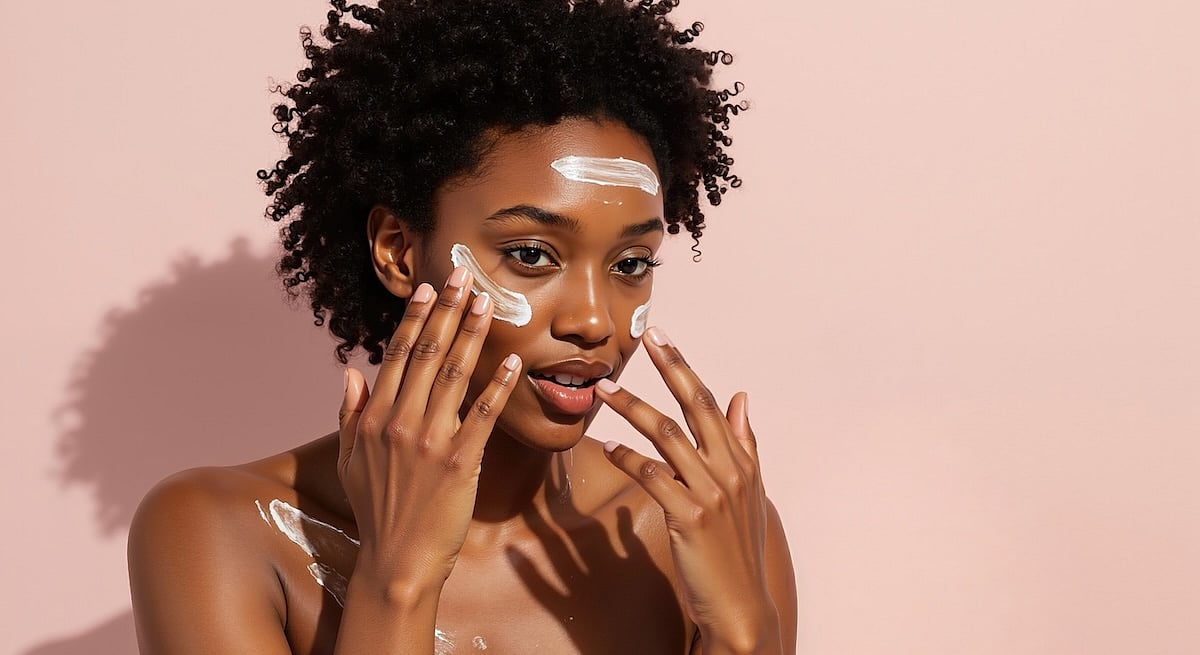
- Posted February 6, 2026
Redesigned Sunscreen Aims to End the 'Chalky' Look for Good
For many people, the best defense against skin cancer comes with a frustrating side effect: A ghostly, chalky white film.
Now, researchers at the University of California, Los Angeles (UCLA) have developed a mineral sunscreen that solves this cosmetic problem by simply changing the shape of its active ingredient.
Dermatologists have long recommended mineral sunscreens containing zinc oxide because they are safe, effective and gentle to sensitive skin.
But traditional zinc oxide particles are roughly round and tend to clump together.
These clumps scatter visible light, which creates an obvious white or gray cast that is especially noticeable on darker skin tones.
To fix this, a team at the UCLA Health Jonsson Comprehensive Cancer Center experimented with a new physical structure for zinc. Instead of tiny round beads, they used a patented process to create "tetrapods" -- microscopic, four-armed structures.
Because of their unique shape, these tetrapods cannot pack tightly together.
Instead, they form a porous, mesh-like network that stays evenly spread across the skin. This prevents the clumping that causes the "chalky" look while still providing strong protection against the sun’s harmful ultraviolet (UV) rays.
Their findings were published recently in ACS Materials Letters.
"This isn’t just about cosmetics," senior study author Paul Weiss, a professor of chemistry and bioengineering at UCLA, said in a news release. "If improving how sunscreen looks leads to more consistent use, it could have real implications for skin cancer prevention."
During laboratory tests, the tetrapod-based lotion achieved an SPF of 30, matching the performance of standard mineral sunscreens. Importantly, the formula remained stable over time and appeared warmer in tone and more natural on the skin.
For lead author AJ Addae, a doctoral candidate at UCLA, the mission was personal. She began the research after her own frustrations with how mineral sunscreens looked on her skin led her to avoid using them altogether.
"The best sunscreen is the one people will actually use," Addae explained in a news release. "If zinc oxide can be made to look better on more skin tones without sacrificing protection, it could help more people protect themselves from the sun’s most dangerous effects."
The researchers hope this breakthrough will be a game-changer for skin cancer prevention, particularly for people with darker skin who are more often diagnosed with late-stage melanoma. By making sun protection more wearable and inclusive, the team hopes to encourage a daily habit that saves lives.
More information
The National Cancer Institute provides more details on skin cancer prevention.
SOURCE: UCLA Health, news release, Feb. 4, 2026


