We currently have Covid, Tetanus, Flu, RSV & Shingles vaccines available.
Get Healthy!
- Posted March 16, 2026
New EPA Rule Could Loosen Limits on Medical Device Sterilization Gas Emissions
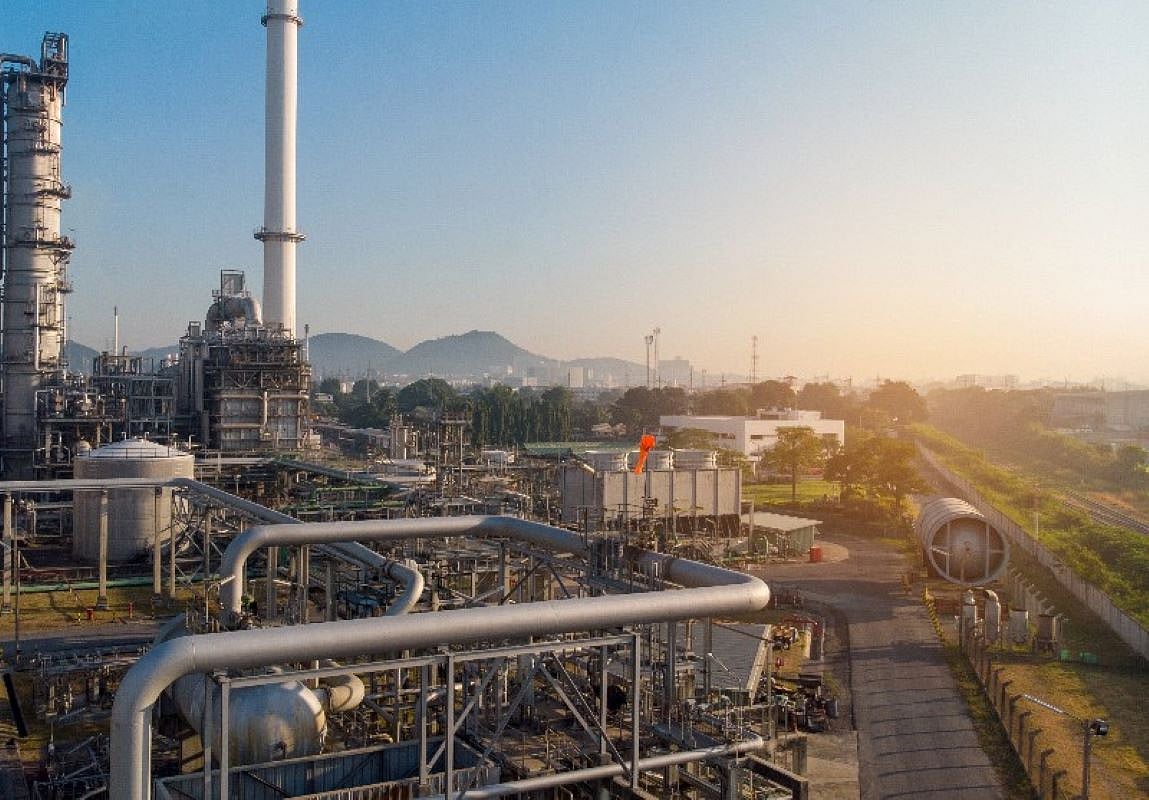
The U.S. Environmental Protection Agency (EPA) is proposing to loosen limits on emissions of ethylene oxide, a gas used to sterilize many medical devices that is also linked to cancer.
The proposal, announced Friday, would ease pollution rules for about 90 commercial sterilization facilities nationwide.
Ethylene oxide plays an important role in health care. It is used to sterilize about half of all medical devices in the United States and is applied to roughly 20 billion devices each year, including pacemakers, syringes, catheters, heart valves, stents and ventilators.
But breathing the gas over time can be dangerous.
Long-term exposure has been linked to leukemia, breast cancer, lymphoma and other cancers of the white blood cells. It can also cause symptoms such as coughing, dizziness, fatigue and nausea.
Researchers have also found it may damage the brain and central nervous system.
The EPA first labeled ethylene oxide a human carcinogen in 2016, after studies showed it was 60 times more toxic to children and 30 times more toxic to adults than scientists previously believed.
The new proposal reflects an ongoing debate over how to balance the need for sterile medical equipment with concerns about pollution near sterilization plants, The New York Times reported.
“The Trump EPA is committed to ensuring lifesaving medical devices remain available for the critical care of America’s children, elderly and all patients without unnecessary exposure to communities,” EPA Administrator Lee Zeldin said.
The proposal would roll back parts of stricter rules issued in 2024 under the Biden administration, which were expected to cut ethylene oxide emissions by about 90%.
Those rules required some sterilization plants to install stronger pollution controls and monitor emissions constantly.
The EPA now says some of those requirements may be too difficult for these facilities to meet. One proposed change would remove a rule requiring around-the-clock monitoring of emissions.
The agency estimates the new rule could save companies about $43 million a year in compliance costs.
About 2.3 million people live within two miles of sterilization facilities that use ethylene oxide, according to an analysis by the Union of Concerned Scientists. Many of those communities are low-income neighborhoods or communities of color, the group said.
“This administration is systematically looking for ways to let polluters off the hook,” said Sarah Buckley, a senior attorney with the Natural Resources Defense Council. “If this abuse of authority is left unchecked, communities will pay the price in higher cancer risks.”
Medical device manufacturers say the gas is essential because it can kill bacteria and viruses without damaging delicate materials such as plastic.
Right now, according to the EPA, there is no widely available alternative that can sterilize these devices.
Scott Whitaker, president and CEO of the medical device industry group AdvaMed, welcomed the proposed rule.
“We appreciate the EPA’s efforts in listening to and understanding the importance of supplying safe, sterile med tech without interruption while protecting employees and communities near sterilization facilities,” Whitaker said.
President Donald Trump previously exempted 40 sterilization plants from the Biden-era rules for two years, arguing the regulations could force facilities to close and disrupt the supply of medical equipment.
Environmental groups have filed a lawsuit challenging those exemptions, saying many plants could meet the Biden-era limits.
The EPA will accept public comments for 45 days after the proposal is published in the Federal Register. The agency is expected to issue a final rule sometime within the next year.
More information
The Occupational Safety and Health Administration has more on ethylene oxide.
SOURCE: The New York Times, March 13, 2026


